Aircrew Parachute Harness/Pack – Vulcan & Victor Crew Seats: Historic Aircrew Escape Assembly
Aircrew Parachute Harness/Pack – Vulcan & Victor Crew Seats: Historic Aircrew Escape Assembly
Blog Article
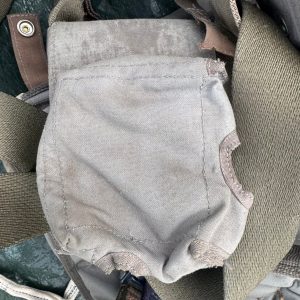
The Aircrew Parachute Harness/Pack – Vulcan & Victor Crew Seats is a specialized military aviation component associated with compatible aircrew seating and emergency equipment configurations.
An Aviation website Parachute Harness may form part of military, training, experimental, aerobatic, or historic aviation equipment, while a Pilot Parachute Harness requires professional assessment before any operational consideration.
Every Aircraft Emergency Parachute Harness, Aircrew Safety Harness, Flight Crew Parachute Harness, Emergency Parachute Harness, or Military Aircrew Harness requires individual inspection because age, storage, wear, and modification can affect condition.
A Parachute Harness Assembly should not be represented as complete when critical straps, fittings, packs, connectors, release components, or identification labels are missing.
The Aviation Safety Harness may have historical value, while the Flight Parachute Harness and Aircraft Parachute Equipment should be assessed by qualified specialists before any safety-related use.
Historic Vulcan and Victor Crew-Seat Equipment
Detailed identification protects historical accuracy and reduces incorrect compatibility claims.
Photographs should show the front, rear, sides, webbing, buckles, attachment points, pack, labels, stitching, hardware, and areas of wear.
Understanding Aviation Harness Materials
The condition of each structural element contributes to the overall integrity of the assembly.
Reinforced areas near attachment fittings and high-load junctions deserve particular attention.
Choosing a Pilot Parachute Harness
Shoulder, chest, waist, and leg adjustments may influence comfort, movement, load distribution, and secure positioning.
Missing keepers, retainers, pads, straps, or adjustment pieces can affect completeness and appearance.
Aircraft Escape Harness Applications
The harness alone does not establish the condition or completeness of the complete emergency system.
Attachment points should be checked for deformation, wear, corrosion, cracks, missing components, incorrect hardware, and evidence of loading or repair.
Aircrew Safety Harness Applications
A harness associated with one crew seat should not be assumed suitable for another position.
Webbing should not be folded sharply under heavy weight or compressed against corroded hardware.
Flight Harness Preservation
The listing should note webbing color, flexibility, staining, fraying, stitching, hardware condition, labels, odor, storage marks, repairs, and missing parts.
The seller should disclose whether the harness has been professionally inspected, displayed, stored, worn, repaired, cleaned, or tested.
Emergency Harness Storage Review
A documented inspection preserves both technical information and collector value.
Leather or rubber components may harden, shrink, crack, or become brittle during storage.
Collecting a Military Aircrew Harness
Original components with clear labels and matching hardware may be particularly desirable for accurate displays.
The equipment should be mounted through reversible methods that avoid cutting, drilling, gluing, or permanently altering original material.
Aviation Emergency Escape Harness System
A complete-looking harness/pack should not be represented as a complete escape system without supporting information.
Connections intended to interface with a crew seat should be photographed and measured carefully.
Evaluating Assembly Completeness
The exact configuration should be listed clearly so buyers understand what is included.
Small fittings, retainers, straps, pins, covers, or connectors may have significant restoration value.
Choosing Aircraft Crew Safety Equipment
Aircraft Crew Safety Equipment may include harnesses, parachute packs, helmets, oxygen equipment, survival gear, restraints, life preservers, and emergency signaling devices.
Routine preservation should include gentle dust removal, condition photography, label recording, humidity control, pest monitoring, and suitable storage support.
Historic Aircrew Emergency Equipment
Aircrew Emergency Equipment reflects the operational requirements, aircraft technology, crew roles, and safety practices of its service period.
Claims about operational readiness should require current professional evidence.
Military Pilot Escape Equipment
Historic parachute equipment may have exceeded original service intervals or contain materials affected by age and storage.
When internal contents are unknown, the listing should state that clearly.
Historic Harness Display Planning
Its visual impact is enhanced when straps, pack, fittings, labels, and attachments remain arranged accurately.
Handling can accelerate webbing wear and damage original fittings.
Evaluating Parachute Harness Value
Clear intended-use classification supports responsible transactions.
Damage, missing components, mixed assemblies, heavy corrosion, cut straps, contamination, or unsupported provenance may reduce value.
Military Parachute Component Matching
Visually similar fittings can have different functions, load requirements, or attachment relationships.
Incorrect routing can damage webbing, bend fittings, or create false wear patterns.
Vulcan and Victor Harness Condition Guide
Photographs should show every major surface and identification marking.
- Verify whether the harness, pack, fittings, connectors, straps, and seat-interface components belong to one original configuration.
- Inspect stitching for broken threads, loose patterns, separation, contamination, fading, and previous replacement.
- Require packaging that supports the pack and webbing without sharp folds, crushing, metal abrasion, moisture exposure, or uncontrolled movement.
Storing the Aircrew Parachute Harness/Pack
Straps should follow broad natural curves rather than sharp folds that concentrate stress.
Condition photographs taken from consistent angles can reveal gradual changes over time.
Historic Parachute Equipment Presentation
Adhesives, staples, screws, drilling, cutting, or irreversible sewing should be avoided.
Professional presentation improves educational value without compromising authenticity.
Protecting Aviation Safety Equipment
Aggressive cleaning can remove original markings, finishes, inspection evidence, or historically significant wear.
Repairs intended for display should remain reversible and clearly documented.
Selecting a Crew-Seat Harness and Pack
When carefully inspected, stored, documented, conserved, and displayed, the Aircrew Parachute Harness/Pack – Vulcan & Victor Crew Seats can remain a valuable military aviation artifact.
Careful technical, historical, and commercial evaluation can reduce authenticity concerns, condition surprises, missing-component costs, and unsuitable-use assumptions.
Whether buyers seek a Flight Crew Parachute Harness, Emergency Parachute Harness, Military Aircrew Harness, or Aviation Emergency Escape Harness, exact system identity remains essential.
With prompt attention to webbing, stitching, hardware, corrosion, labels, pack materials, and storage conditions, the equipment can retain its appearance and research value.
Report this page